Papers Pocket Folder Templates: A Designer's Toolkit for Professional Print
Every designer and business owner eventually hits that moment where a standard document just doesn't cut it. You've got a proposal, a brand style guide, or a set of marketing materials that need to feel substantial. Handing over a simple stapled stack of paper can unintentionally downplay the quality of the work inside. This is where the physical presentation becomes part of the strategy, and having the right tools is essential. The Papers Pocket Folder Templates offer a practical, hands-on solution for creating custom, professional-grade folders that elevate your brand's tangible touchpoints.
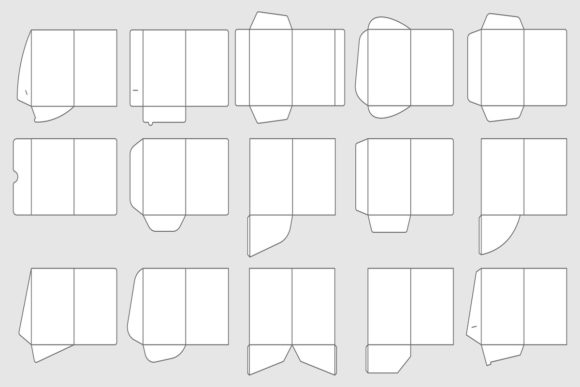
Think of this as more than just a set of lines on a page. This is a comprehensive document folder cutting template system designed for real-world production. The product includes both a high-resolution JPEG for quick reference and a fully editable EPS10 vector file. The vector format is the real workhorse here. It allows you to open the templates in a program like Adobe Illustrator, giving you complete control to modify dimensions, adjust pocket depths, add custom die-cut lines, or integrate your branding elements directly into the template before sending it to a printer or cutting machine.
From Flat Design to Physical Reality
The true power of these templates lies in their versatility. They aren't just for creating one type of folder. The file set is a blueprint for a range of packaging carton and stationery projects. You can adapt the core designs for:
- Standard Presentation Folders: The classic two-pocket folder for proposals, sales kits, and press materials.
- A4 Paper Folders: Perfect for academic projects, corporate reports, and artist portfolios.
- Gift Box Dies Cut: Scale and modify the templates to create small, custom boxes for product packaging or special client gifts.
- Envelope Bags and Fold Pages: Design unique mailers or promotional envelopes that stand out in a pile of mail.
This adaptability makes it a valuable design asset for a wide range of professionals. A small business owner can create consistent packaging for their handmade goods. A marketer can develop a tactile direct mail campaign that recipients are less likely to discard. A graphic designer can offer a premium print production service to clients, adding a new revenue stream. The isolated vector icons set included can also be used as design elements on the folders themselves or in related branding materials.
Strategic Branding Beyond the Screen
In a digital-first world, physical objects carry significant weight. A well-crafted folder or custom envelope becomes a part of your brand identity. The texture of the paper stock, the precision of the die-cut, and the quality of the print all send a message about your attention to detail and professionalism. Using a reliable cutting template ensures that message is one of quality and care.
Consider the impact on visual hierarchy. The folder is the first thing your audience interacts with. Its design sets the stage for the contents inside. A clean, well-constructed folder with subtle branding builds anticipation and frames your documents as important. This is crucial for logo design presentations, editorial design portfolios, or packaging design mockups. It’s a form of modern typography applied to physical media—where the form of the container enhances the function of the content.
Practical Guidance for Implementation
Getting started with the Papers Pocket Folder Templates is straightforward, but a few practical steps will ensure the best outcome.
- Evaluate Project Fit: Before you begin, define the folder's purpose. Is it a one-time event folder or part of a long-term brand system? This will determine your paper choice and print method.
- Test with a Mock-Up: Always print a test version on plain paper. Cut it out and fold it. Check the pocket depth—will it securely hold the intended contents without being too tight? This simple test prevents costly mistakes during the final production run.
- Customize Thoughtfully: Use the vector file to integrate your brand's color palette, logo, and typography. However, maintain readability and visual clarity. The folder's job is to organize and present, not to overwhelm.
- Consider Font Pairings: If you're adding text to the folder cover, choose typefaces that complement your brand's premium font stack. A clean sans serif font often works well for modern, professional presentations, while a serif font can add a touch of tradition and authority.
- Understand the Output: The JPEG is for digital reference or layout planning. For any physical production—whether sending to a professional printer or using a desktop cutting machine like a Cricut or Silhouette—you must use the vector EPS file. This ensures clean, scalable lines for the die-cut.
This resource is ultimately about control. It puts the means of production into your hands, allowing you to move from a digital concept to a physical, branded object with confidence. Whether you're a crafter making bespoke wedding stationery, a publisher creating a media kit, or a content creator developing merchandise, having a reliable template library streamlines the process and professionalizes the result. It’s a foundational tool for anyone serious about their brand's physical expression.
Professional Folder Templates for Impactful Brand Presentation
In a digital world, the physical objects we create carry immense weight. A beautifully crafted folder, envelope, or custom box isn't just packaging; it's a tangible piece of your brand story. For designers, entrepreneurs, and creators, having reliable tools to produce these items is essential. That’s where a versatile set of Papers Pocket Folder Templates becomes an invaluable design asset, moving your projects from screen to reality with precision and professionalism.
This collection is more than just a set of lines. It's a comprehensive toolkit for creating a range of physical brand touchpoints. The product includes both a high-resolution JPEG for quick reference and a fully editable vector file. The vector format, specifically an EPS10 file, is the powerhouse here. It allows you to open the templates in a program like Adobe Illustrator, giving you complete control. You can modify dimensions, adjust pocket depths, add custom die-cut lines for packaging carton or gift box dies cut, or integrate your branding elements directly into the template before production.
Beyond the Basic Folder: A World of Applications
The true value of these templates lies in their adaptability. They aren't a one-trick pony. With thoughtful modification, they serve as a blueprint for a variety of projects, directly impacting how your audience perceives your brand's visual hierarchy and attention to detail.
- Corporate & Marketing Collateral: Create impeccable A4 paper folders for sales proposals, investor decks, or press kits. A sturdy, well-designed folder immediately frames your content as premium and trustworthy.
- Publishing & Editorial Design: Designers and publishers can use them to produce unique media mailers or subscriber welcome packs. This enhances the unboxing experience and strengthens brand identity from the first touchpoint.
- E-commerce & Packaging Design: Small business owners can adapt the document folder cutting template to create custom mailers, product sleeves, or gift box inserts. This moves you beyond generic shipping supplies into branded packaging design that customers remember.
- Events & Personal Projects: Crafters and hobbyists can leverage the fold page and envelope bag templates for wedding invitations, event programs, or scrapbooking elements, adding a handmade, professional touch.
The included isolated vector icons set offers additional flexibility. These graphical elements can be used to decorate the folders themselves or incorporated into other branding materials, ensuring a cohesive look across your entire project.
Design Principles in Physical Form
Applying these templates effectively requires thinking like a brand strategist. The physical design directly influences key perceptions. A folder with clean lines and precise die-cuts communicates professionalism and reliability. The choice of paper stock—matte, gloss, textured—adds another layer of sensory feedback that digital design cannot replicate.
Consider readability and function. The pocket's depth must securely hold contents without being cumbersome. The overall structure should be intuitive. Is the folder easy to open and close? Does it protect the documents inside? These practical considerations are as important as the aesthetic ones. This is where modern typography principles meet physical constraints; the layout must guide the eye smoothly across the cover and into the contents.
For web designers and digital content creators expanding into merchandise or client gifts, these templates bridge the gap between your digital font pairing expertise and physical production. You can match the folder's design to your web design or social media graphics, using the same color palette and typographic style to create a seamless brand identity across all platforms.
A Practical Guide to Implementation
Integrating these templates into your workflow is straightforward with the right approach.
- Define the Purpose First: Before you start editing, clarify the folder's role. Is it a one-time event folder or part of a long-term brand system? This will guide your decisions on paper weight, print method (digital vs. offset), and finish.
- Leverage the Vector File: Always work from the vector EPS file for any customization. This ensures your design remains crisp at any size. Use it to add your logo, adjust the spine width, or create entirely new structures based on the provided die cut guidelines.
- Prototype Relentlessly: Print a test version on plain paper. Cut it out and assemble it. Does the pocket hold an A4 sheet securely? Is the spine depth sufficient for the intended number of pages? This simple test prevents costly errors in the final print run.
- Consider Font Choices for Print: When adding text to the cover, choose typefaces with good readability. A bold sans serif font can make a modern statement, while a classic serif font may convey tradition and authority. Ensure any text is large enough to be legible after printing and cutting.
- Explore Commercial Use: These templates are ideal for creating products to sell, such as custom stationery sets or branded packaging for clients. Always verify the licensing terms to ensure it covers your intended commercial application.
Ultimately, these Papers Pocket Folder Templates