Create Stunning Rolled Flowers with SVG Templates
For crafters, designers, and small business owners, the ability to produce consistent, professional-looking decor and product embellishments is a significant advantage. Felt Flower Templates SVGs offer a powerful solution, transforming simple materials into intricate, three-dimensional rolled flowers. These digital cutting files are engineered for precision, working seamlessly with popular machines like the Cricut and Silhouette Cameo. The real value, however, lies in the versatility and scalability they provide, allowing you to move from a single handmade gift to a full inventory for a craft fair or a cohesive set of branded packaging elements with remarkable efficiency.
Understanding the Template and Its Appeal
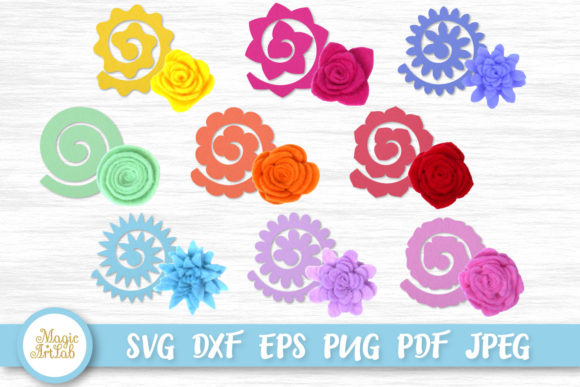
At its core, a set of Felt Flower Templates SVGs is a collection of digital patterns, primarily spiral shapes in varying sizes and petal designs. The visual character of the finished flowers is one of delicate, handcrafted charm. They possess a tactile, organic quality that flat graphics cannot replicate, adding depth and texture to any project. The style is inherently adaptable; it can lean towards rustic and vintage with burlap and muted felts, or feel modern and elegant with crisp paper in bold colors or metallic finishes. This makes the templates a versatile design asset for a wide range of aesthetic directions, from bohemian wedding decor to minimalist product packaging.
The practical process is straightforward, making it accessible even to those new to paper or felt crafting. Once the spiral is cut by your machine, the assembly relies on a simple rolling technique. While a quilling tool can expedite the process for paper versions, felt flowers require the grip of tweezers to manage the material's thickness. The final step—a dot of hot glue to secure the center—creates a stable, beautiful bloom. This ease of use is a major strength, ensuring consistent results whether you are making one flower or one hundred, which is crucial for maintaining brand identity and professional standards in commercial applications.
Practical Applications Across Creative Projects
The utility of these templates extends far beyond personal scrapbooking. For entrepreneurs and small business owners, they are a strategic tool. In packaging design, a cluster of felt flowers can elevate a plain box into a memorable unboxing experience, directly influencing customer perception and brand recognition. Bloggers and content creators can use them to craft unique, textured backgrounds for product photography or video tutorials, adding a tangible, authentic layer to their digital presence that static social media graphics often lack.
In the realm of branding and marketing, these handmade elements can set a business apart. They are perfect for creating bespoke logo embellishments for artisan brands, tactile elements for direct mail campaigns, or eye-catching displays for trade shows. For publishers and designers, integrating these flowers into editorial layouts or book covers can introduce a unique mixed-media effect. The key is to view the templates not just as a craft project, but as a method for producing premium font–like custom assets that add a layer of sophistication and handcrafted authenticity to any commercial or personal venture.
Choosing and Using Your Templates Effectively
When selecting a template set, consider the variety included. A robust package, such as one offering nine distinct SVG designs along with consolidated files in DXF, PNG, and EPS formats, provides maximum flexibility. This allows you to use the files across different software and cutting machines, future-proofing your purchase. Evaluate the petal designs—do they offer the range from tight, rose-like spirals to more open, dahlia-inspired shapes? This variety is essential for creating visual interest and matching different project needs, much like choosing different font styles within a typeface family.
For optimal results, always test cut a single flower from your intended material before committing to a full project. Felt thickness and paper weight can affect the cut quality and the ease of rolling. Pairing your finished flowers with complementary design elements is also critical. A bold, sans serif font on a wedding invitation can be beautifully balanced by the soft, organic form of a felt flower, creating a compelling contrast. Similarly, a script font on a product label can be harmoniously enhanced by a small paper bloom, reinforcing a brand identity centered on craftsmanship and care.
Ultimately, Felt Flower Templates SVGs are more than just a cutting file; they are a gateway to adding dimension and personality to your work. They bridge the gap between digital design and physical craft, offering a tangible way to engage your audience. By understanding their applications and integrating them thoughtfully, you can enhance the professionalism of your projects, create stronger visual hierarchies, and build a more memorable and cohesive brand experience. The true power lies in using this creative font of floral design to tell a richer, more textured story.
Create Stunning Rolled Flowers with SVG Templates
For crafters, designers, and small business owners, the ability to produce consistent, professional-looking decor and product embellishments is a significant advantage. Felt Flower Templates SVGs offer a powerful solution, transforming simple materials into intricate, three-dimensional rolled flowers. These digital cutting files are engineered for precision, working seamlessly with popular machines like the Cricut and Silhouette Cameo. The real value, however, lies in the versatility and scalability they provide, allowing you to move from a single handmade gift to a full inventory for a craft fair or a cohesive set of branded packaging elements with remarkable efficiency.
Understanding the Template and Its Appeal
At its core, a set of Felt Flower Templates SVGs is a collection of digital patterns, primarily spiral shapes in varying sizes and petal designs. The visual character of the finished flowers is one of delicate, handcrafted charm. They possess a tactile, organic quality that flat graphics cannot replicate, adding depth and texture to any project. The style is inherently adaptable; it can lean towards rustic and vintage with burlap and muted felts, or feel modern and elegant with crisp paper in bold colors or metallic finishes. This makes the templates a versatile design asset for a wide range of aesthetic directions, from bohemian wedding decor to minimalist product packaging.
The practical process is straightforward, making it accessible even to those new to paper or felt crafting. Once the spiral is cut by your machine, the assembly relies on a simple rolling technique. While a quilling tool can expedite the process for paper versions, felt flowers require the grip of tweezers to manage the material's thickness. The final step—a dot of hot glue to secure the center—creates a stable, beautiful bloom. This ease of use is a major strength, ensuring consistent results whether you are making one flower or one hundred, which is crucial for maintaining brand identity and professional standards in commercial applications.
Practical Applications Across Creative Projects
The utility of these templates extends far beyond personal scrapbooking. For entrepreneurs and small business owners, they are a strategic tool. In packaging design, a cluster of felt flowers can elevate a plain box into a memorable unboxing experience, directly influencing customer perception and brand recognition. Bloggers and content creators can use them to craft unique, textured backgrounds for product photography or video tutorials, adding a tangible, authentic layer to their digital presence that static social media graphics often lack.
In the realm of branding and marketing, these handmade elements can set a business apart. They are perfect for creating bespoke logo embellishments for artisan brands, tactile elements for direct mail campaigns, or eye-catching displays for trade shows. For publishers and designers, integrating these flowers into editorial layouts or book covers can introduce a unique mixed-media effect. The key is to view the templates not just as a craft project, but as a method for producing premium font–like custom assets that add a layer of sophistication and handcrafted authenticity to any commercial or personal venture.
Choosing and Using Your Templates Effectively
When selecting a template set, consider the variety included. A robust package, such as one offering nine distinct SVG designs along with consolidated files in DXF, PNG, and EPS formats, provides maximum flexibility. This allows you to use the files across different software and cutting machines, future-proofing your purchase. Evaluate the petal designs—do they offer the range from tight, rose-like spirals to more open, dahlia-inspired shapes? This variety is essential for creating visual interest and matching different project needs, much like choosing different font styles within a typeface family.
For optimal results, always test cut a single flower from your intended material before committing to a full project. Felt thickness and paper weight can affect the cut quality and the ease of rolling. Pairing your finished flowers with complementary design elements is also critical. A bold, sans serif font on a wedding invitation can be beautifully balanced by the soft, organic form of a felt flower, creating a compelling contrast. Similarly, a script font on a product label can be harmoniously enhanced by a small paper bloom, reinforcing a brand identity centered on craftsmanship and care.
Ultimately, Felt Flower Templates SVGs are more than just a cutting file; they are a gateway to adding dimension and personality to your work. They bridge the gap between digital design and physical craft, offering a tangible way to engage your audience. By understanding their applications and integrating them thoughtfully, you can enhance the professionalism of your projects, create stronger visual hierarchies, and build a more memorable and cohesive brand experience. The true power lies in using this creative font of floral design to tell a richer, more textured story.